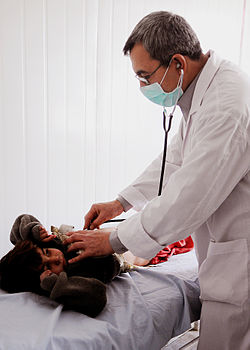
Breathing is so inextricably linked to living that we hardly give it and the respiratory system a second thought. There will be times we will come down with something like a bad case of cold or the flu and we go to a family doctor who will be able to treat these general conditions. But, sometimes, we’ll encounter respiratory diseases that general practitioners can’t handle. For these times, we need a respiratory doctor like Dr. Mark Hochberg MD.
A respiratory doctor specializes in the prevention and treatment of uncommon or advanced respiratory conditions. If you encounter any illness confined to your airways like the nose, pharynx, mouth, trachea or larynx, the lungs, and the muscles that help you breath like the diaphragm, you’ll need to visit a respiratory doctor also known as a pulmonologist, explains Dr. Mark Hochberg MD
The respiratory doctor has their work cut out for them since they work on a variety of diseases isolated to this part of the body. They treat asthma, bronchitis, cystic fibrosis, chronic obstructive pulmonary disease, lung cancer, occupational lung diseases, pneumonia, and tuberculosis, among others. Aside from these known lung diseases, they also handle breathing-related sleep issues like sleep apnea and perform surgery like lung transplants and on obstructed lungs.

Like most doctors, a respiratory doctor will also first diagnose your condition and may use a variety of tools to do this, like specialized lab tests, MRI, x-ray, a physical exam, respiratory tests, and even a diagnostic surgery. Once they pin down what’s causing the issue, they can prescribe a wide range of medication like antibiotics (if you’re suffering from tuberculosis) and corticosteroids (if it’s something like long-term allergic rhinitis). They also perform surgery to correct blockages in your airways, or a lung transplant.
You should see a respiratory doctor next time if you feel something is wrong with your oxygen intake, adds Dr. Mark Hochberg MD.
 Dr. Mark Hochberg MD