Beyond nutrition: What people can eat to improve their respiratory health

Image source: bcdairy.ca

Dr. Mark Hochberg MD believes it takes several factors and activities to keep the lungs healthy. However, all this begins with information and the willingness to do what is necessary.

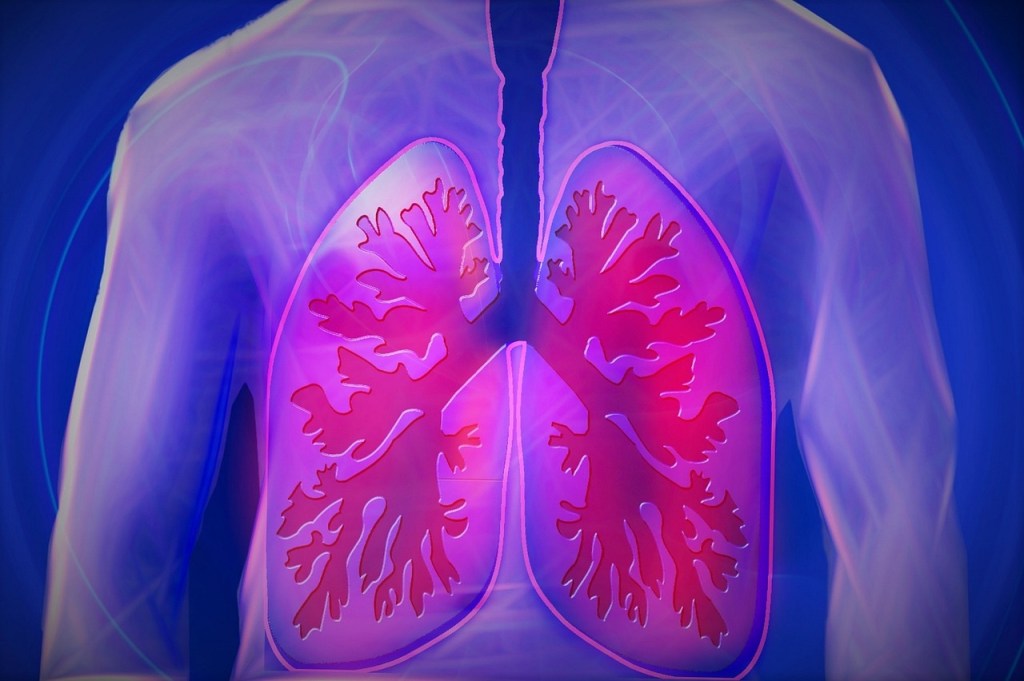
Dr. Mark Hochberg MD explains that people breathe around 15 to 20 times every 60 seconds, which translates to 20,000 breaths a day. This means that the respiratory system is as busy as other systems in the body. The lungs are the main organs of the system. Without the lungs, oxygen won’t be able to reach the bloodstream and the cells.

While exercising and keeping away from bad habits such as smoking and binge drinking can keep the lungs healthy, people can also fortify the system more by eating right.

Image source: pritikin.com

Several food types can help the lungs. Take, for instance, seeds, nuts, and beans, or any other similar food type. These are all abundant in magnesium, which is great for the lungs. They also have fatty acids that are beneficial for the heart.

Kefir and yogurt are also good for the lungs since they have a lot of protein, calcium, and probiotics, which keep infections away from the respiratory system.

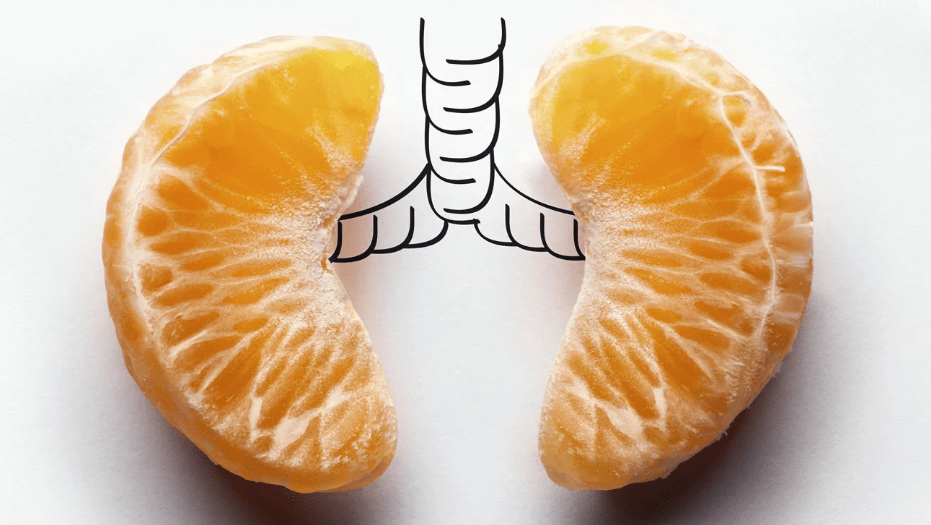
Finally, Dr. Mark Hochberg MD mentions the need for vitamins C, E, and beta-carotene, which is why he recommends oranges and lemons.


What are the symptoms of dry cough?

Dr. Mark Hochberg MD uses his blogs to inform the public about respiratory health. As a pulmonologist, his goal is to educate people about the common and rare respiratory conditions. Since the outbreak of COVID-19, many people have become more vigilant against its symptoms, such as dry cough. But what causes this kind of cough?

A cough is considered dry because it doesn’t produce phlegm or mucus. Also called non-productive cough, a dry cough can also cause a scratchy or tickling feeling in the throat. Dr. Mark Hochberg MD explains that having this kind of cough can be an inconvenience, especially if it affects one’s breathing and sleeping.

Image source: Pexels.com

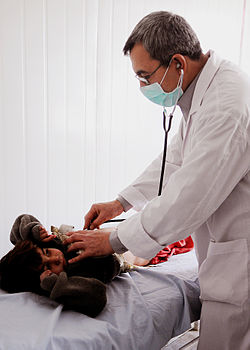
When one experiences a dry cough, one might also have a sore or irritated throat. Most people report that the itchy feeling is usually the first sign that they experience when they have dry cough. Because of this, the nerve endings in the throat get irritated and inflamed. Dr. Mark Hochberg MD says that some people might experience headaches and difficulty speaking.

Image source: Indiatimes.com/

When the dry cough lasts for days, it could also cause chest and abdominal pain. Dr. Mark Hochberg MD says that this is because some of the muscles in these parts of the body become strained as a person coughs.

In many cases, a dry cough isn’t something alarming. But when it leads to difficulty breathing, wheezing, body aches, and fever, it is best to seek immediate medical attention. Aside from COVID-19, these symptoms might be an underlying cause of a respiratory infection or illness.

Respiratory health: The miraculous effects of quitting smoking

With the world in the grip of a health crisis, the likes of which it has never experienced before, Dr. Mark Hochberg MD believes that it is now more important than ever to focus on one’s health.

The novel coronavirus weakens the respiratory and cardiovascular systems of the body. People who are most at risk of severe conditions brought about by the virus are those aged 60 and above, with compromised immune systems, and underlying lung and heart conditions. Studies have also found that heavy alcohol drinking and smoking also play a huge role in the progression of coronavirus disease or COVID-19.

Health experts everywhere are urging smokers to quit the habit before it’s too late. Not only will they lower their chances of experiencing severe symptoms, but they’ll also lead a better life moving forward.

When a smoker quits the habit, their lungs start to repair themselves almost immediately. In fact, it doesn’t matter what age a person stops smoking or how long they’ve been smoking, quitting will always result in exponentially better health.

Aside from the reparation and strengthening of the lungs, the carbon monoxide leaves the bloodstream, allowing for more oxygen to enter. This makes for better breathing and blood circulation and more oxygen, especially to the heart and brain.

For these and many more reasons, Dr. Mark Hochberg MD echoes what other health experts say, and urges everyone to stop smoking before it’s too late.

Regular yoga for healthier lungs during the quarantine

Dr. Mark Hochberg MD believes that to get through the global crisis, which is the COVID-19 pandemic, people have to take on a multi-faceted approach. While preventive measures such as staying at home as much as possible and social distancing while outside are required, it is equally important that people build up their immune systems and overall health in case the unspeakable happens.

One of the most apt activities a person can try out while on lockdown or quarantine is yoga. Below are some of the best benefits a person can reap from yoga.

Improved blood circulation: Yoga has been proven to improve blood circulation in the body, which leads to more oxygen moving around. The heart, lungs, brain, and all the other organs benefit from this. Clean blood improves organ function as well.

Lower chances of respiratory problems: One of the most important aspects of yoga is proper breathing. This works all parts of the respiratory system, strengthening it, and increasing lung capacity. This is also why yoga is beneficial for asthmatics and incredibly helpful against viruses that attack the lungs, such as COVID-19.

Relaxes the mind: Mental health issues such as depression and anxiety can affect a person’s breathing pattern and even their respiratory health. Yoga can be an incredibly relaxing activity, which is quite valuable amidst today’s highly stressful circumstances since it can put one’s mind at ease and reduce the chances of developing mental health issues.

Why do facemasks work in preventing the spread of COVID-19?

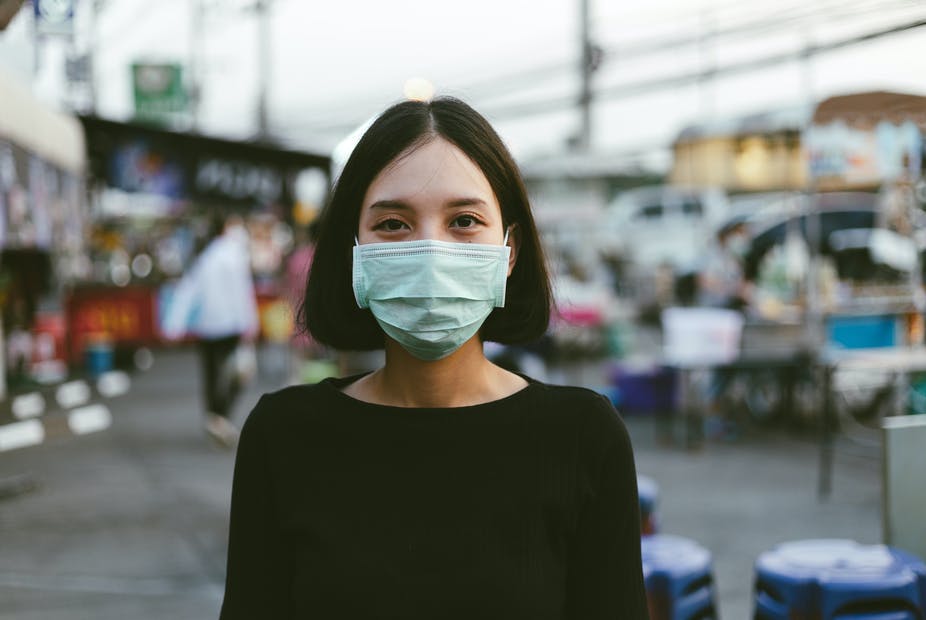
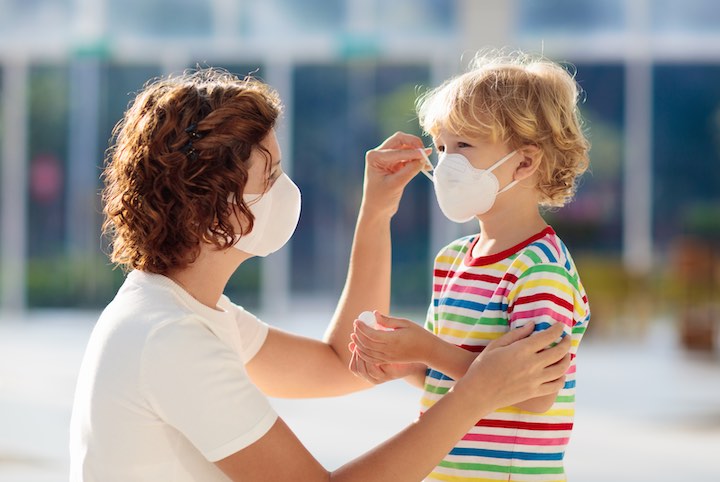
Over the past few months, people have been fighting over the procurement of PPEs such as graded face masks to prevent getting the coronavirus. This has left a lot of people thinking of creative ways of creating face shields for frontline and essential workers and healthcare professionals. But going back to facemasks, a lot of people are still questioning how effective they are in preventing the spread of COVID-19.

According to Dr. Mark Hochberg MD, wearing a facemask provides better protection compared to not wearing one at all. It all depends on the grade of one’s face mask.

Cloth facemasks are common as they can be made from simple materials like cotton. While they do little to filter in air, they can stop the liquid spray from immediately hitting the surface of the mouth. But because they are made of porous materials, the virus could eventually pass through. This is why some people wear a surgical mask underneath their cloth facemasks.

Surgical masks do a better job of protecting the mouth and nose as it contains a plastic layer on one side, which doesn’t allow particles to pass through. The most common problem with surgical facemasks, according to Dr. Mark Hochberg MD, is that they can start to become painful with prolonged use. Plus, a lot of places may have run out of stock since healthcare professionals highly need this PPE. Moreover, they are made to be disposable. Surgeons typically dispose of them after a procedure. This means healthcare professionals need to replace regularly their surgical masks to stay safe.

Lastly, there are N95 masks. According to the FDA, N95 masks have tested to block at least 95% of small particles because of their ergonomic design. Some N95 masks come with respirators, which make it easier and safer to breathe while wearing them. Dr. Mark Hochberg MD believes that protecting oneself should be the top priority while facing this pandemic. It is vital to wear something to cover the mouth and nose when going outside.

The role of respiratory therapists in the fight against COVID-19

Medical practitioners and essential workers work countless hours while the rest of the world quiets down and stays home to prevent the novel coronavirus from spreading. Doctors and nurses are being praised for taking care of patients admitted due to COVID-19. Respiratory therapists are the unsung heroes in this battle.

Doctors and nurses acknowledge respiratory therapists as essential teammates during these trying times. Respiratory therapists are the ones in charge of intubating patients and managing their ventilators, which are usual activities in a hospital’s intensive care unit or ICU. According to Dr. Mark Hochberg MD, before the virus hit the whole world, hospitals and their ICUs are seldom packed. Now, facilities dedicated to treating COVID-19 patients are being built to lessen the load in hospitals.

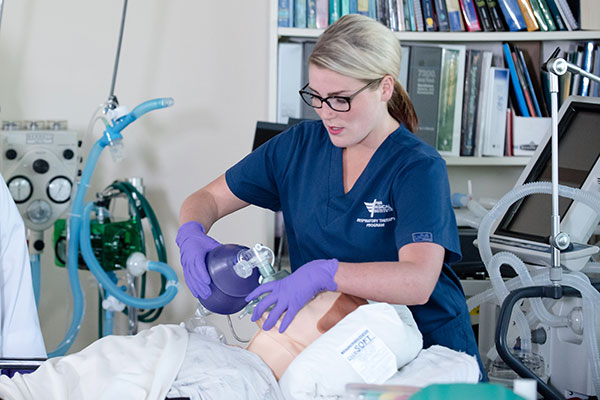
While most doctors are knowledgeable in intubating a patient, the task is a respiratory therapist’s primary job. They intubate a person with a breathing tube and hook the tube to a ventilator. Experts in their area, respiratory therapists visit each critical care unit and assess a patient’s situation. Part of the job of respiratory therapists is to ensure a patient is breathing safely on the device. This task requires them to stay in a patient’s room for some time.

COVID-19 is aggressive, and close contact with patients puts a medical professional’s life in danger. Dr. Mark Hochberg MD shares that among all the medical professionals working hard to fight against the virus, respiratory therapists are the ones who are in most danger. They put their health on the line like other medical professionals, but they are not praised, if, at all, seen.

What does a respiratory doctor do?

Breathing is so inextricably linked to living that we hardly give it and the respiratory system a second thought. There will be times we will come down with something like a bad case of cold or the flu and we go to a family doctor who will be able to treat these general conditions. But, sometimes, we’ll encounter respiratory diseases that general practitioners can’t handle. For these times, we need a respiratory doctor like Dr. Mark Hochberg MD.

A respiratory doctor specializes in the prevention and treatment of uncommon or advanced respiratory conditions. If you encounter any illness confined to your airways like the nose, pharynx, mouth, trachea or larynx, the lungs, and the muscles that help you breath like the diaphragm, you’ll need to visit a respiratory doctor also known as a pulmonologist, explains Dr. Mark Hochberg MD

The respiratory doctor has their work cut out for them since they work on a variety of diseases isolated to this part of the body. They treat asthma, bronchitis, cystic fibrosis, chronic obstructive pulmonary disease, lung cancer, occupational lung diseases, pneumonia, and tuberculosis, among others. Aside from these known lung diseases, they also handle breathing-related sleep issues like sleep apnea and perform surgery like lung transplants and on obstructed lungs.

Like most doctors, a respiratory doctor will also first diagnose your condition and may use a variety of tools to do this, like specialized lab tests, MRI, x-ray, a physical exam, respiratory tests, and even a diagnostic surgery. Once they pin down what’s causing the issue, they can prescribe a wide range of medication like antibiotics (if you’re suffering from tuberculosis) and corticosteroids (if it’s something like long-term allergic rhinitis). They also perform surgery to correct blockages in your airways, or a lung transplant.

You should see a respiratory doctor next time if you feel something is wrong with your oxygen intake, adds Dr. Mark Hochberg MD.

Design a site like this with WordPress.com
Get started